- Owned and Operated
- Posts
- You'll never guess where I spent $20k


Everyone fights over Google, LSA, and Facebook. Meanwhile, I’ve spent $20k+ having my company’s messaging placed above 100 toilets at a local venue.
Check out these resources before we get started…
Here’s how home servicer providers are processing payments more efficiently while reducing overhead costs
I just bought a business and in the first 90 days we doubled their sales
BlackRock is investing $100 million to train and support 50,000 skilled trades workers as demand surges from massive U.S. infrastructure growth

Weird Still Works
I’m literally advertising above 116 toilets in a baseball stadium. And it works for a simple reason. No one else is there.
Think about the moment.
Someone’s standing at a urinal or sitting in a stall with nothing to do but look around. Your brand is right in front of them. High attention, zero competition, and a captive audience. It’s weird, but that’s the point. The weirder the placement, the more memorable it becomes.
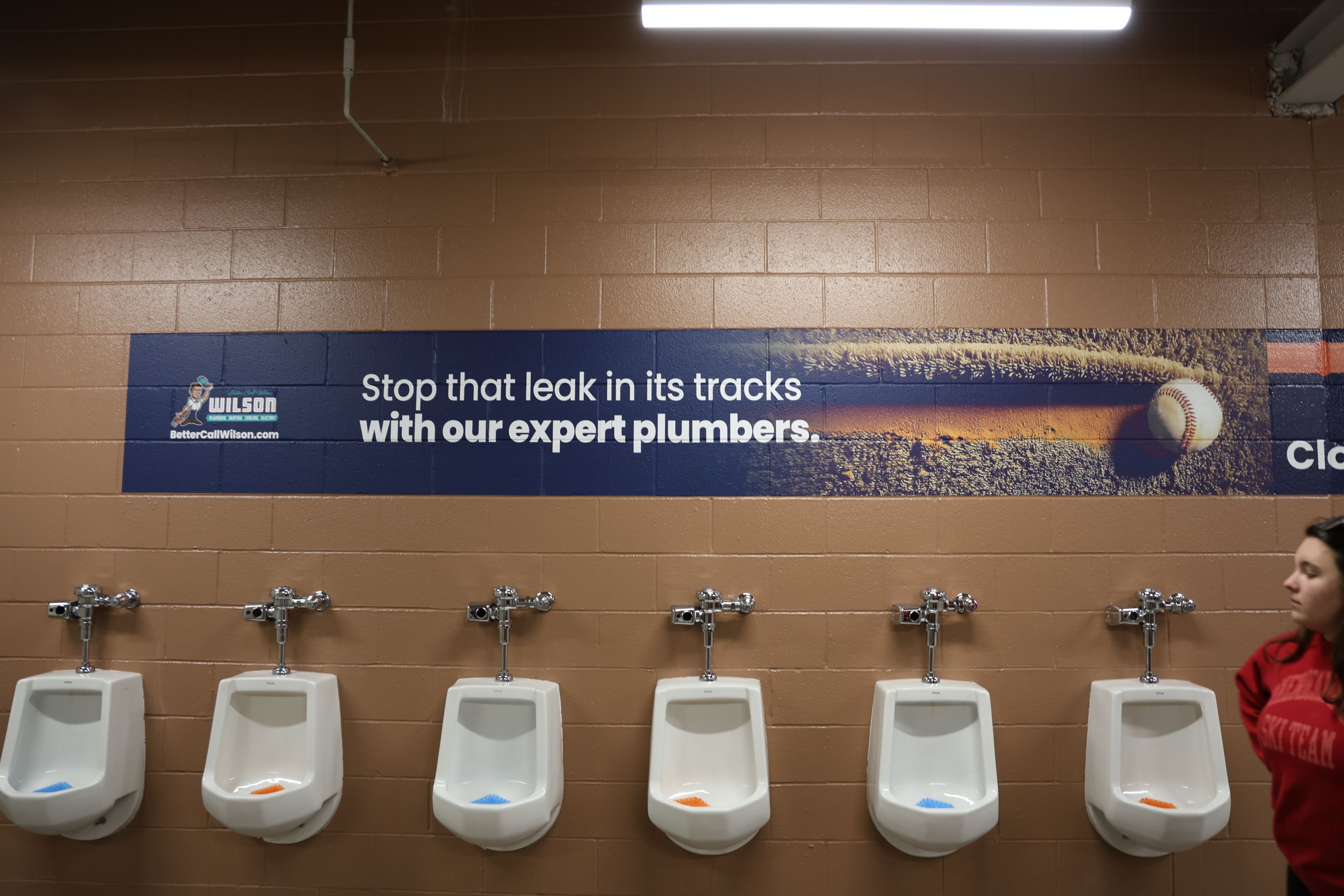
That’s the real takeaway. The best marketing opportunities are often the ones that feel a little ridiculous.
Because while everyone else is bidding up the same keywords, you’re building brand recall in places they would never even consider.
Note: here’s a must-see video detailing non-traditional ways that Wilson generates leads locally.
More Calls Answered = More Jobs Booked
Every missed call is a lost job. And most shops are dropping more than they realize.
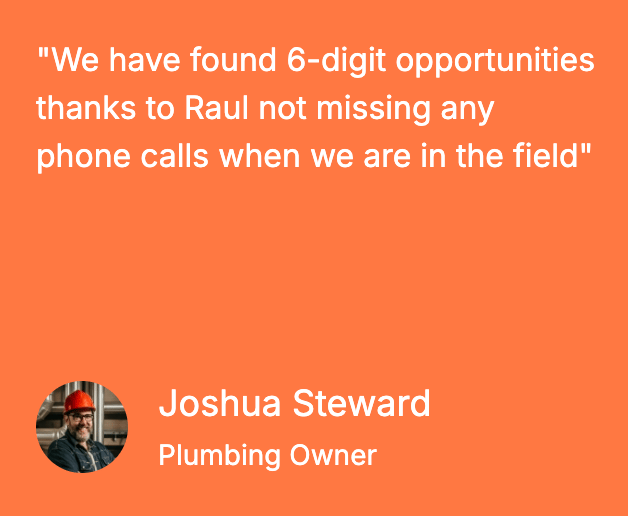
Quick Staffers plugs that hole fast. You get pre-trained CSRs built for home services who answer every call, follow up instantly, and turn inbound demand into booked jobs. While your techs are in the field, your phones stay covered and your pipeline keeps moving.
Here’s what that actually looks like in the real world: 👇
If you’re already spending on marketing, this is how you make sure it actually turns into revenue.

But Why Does it Work?
A lot of marketing advice in home services centers around scale. The focus is on getting more leads, faster, with less effort, which naturally pushes operators toward the biggest and most obvious channels.
And I totally get that. In fact, I talk a lot about how to generate more leads.
That creates a tradeoff. The more obvious the channel, the more crowded it becomes. Over time, costs rise, conversion rates tighten, and you have to work harder just to maintain the same output.
Weird local marketing flips that dynamic.
Instead of fighting for attention, you go where attention is already cheap and uncontested. A church bulletin, a local newspaper, a school program, or even a bathroom stall. These places still reach real homeowners, but no one is competing for the space.
That changes the economics. A $100 ad in a local paper with zero competitors can outperform a much larger digital spend. The advantage comes from being the only option in front of that audience.
There’s also a brand effect that’s easy to miss. When people see your company in unexpected places, it sticks. Later, when something breaks and they search on Google, your name feels familiar. That familiarity increases your chances of getting the call.
The barrier to entry is low. You can test quickly, spend very little, and double down on what works. All it takes is a willingness to try channels that feel a little unconventional.

Where the Numbers Get Interesting
The numbers behind this are what make it hard to ignore.
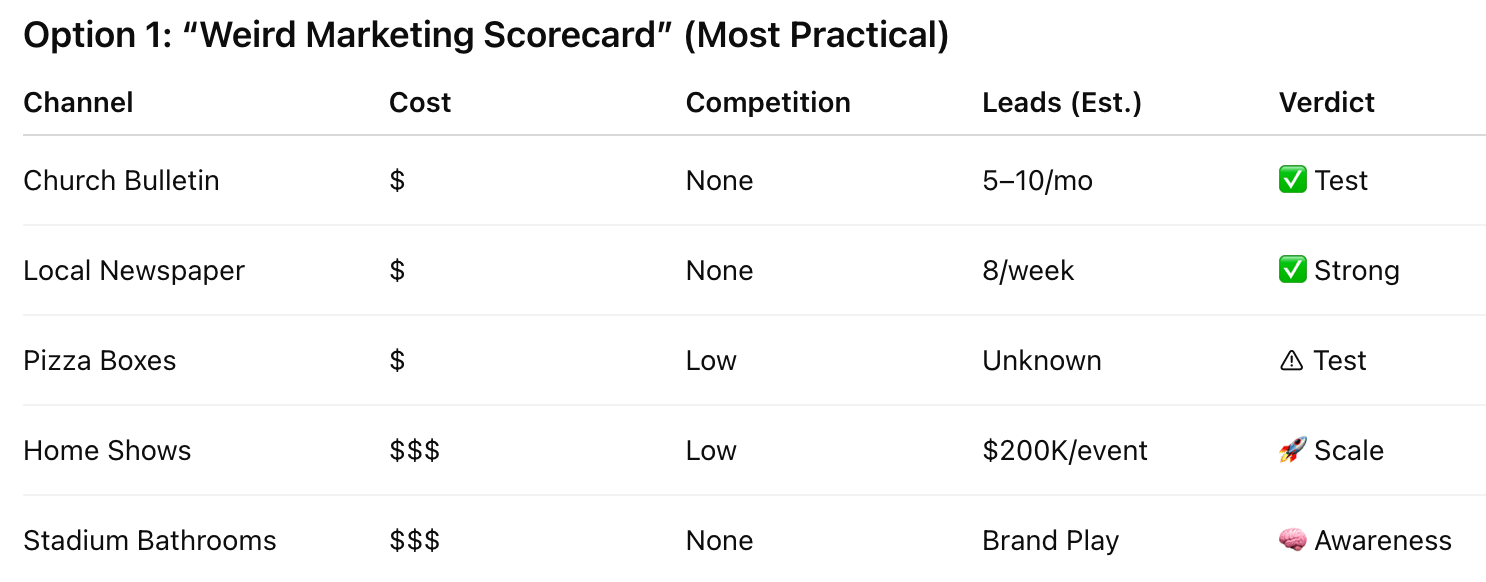
A simple $100 local newspaper ad with zero HVAC competitors generated eight leads in a single week.
Church bulletins are even cheaper, around $42 per month, and some operators are seeing five to ten leads per month from them.
Even something as simple as pizza box flyers runs about $350 for 10,000 distributions, which drives cost per impression down to almost nothing.
On the higher end, the exposure can get massive.
A bathroom sponsorship inside a stadium runs around $20K per year on a multi-year deal, while larger stadium packages can hit $100K and deliver hundreds of thousands to millions of impressions over a season. The key detail is attention. These placements often have higher recall, with bathroom ads reportedly hitting around 90%+ recall because of the captive audience.
Home shows are where this really scales. A single event can generate close to $200K in revenue, and across a year, operators are seeing $500K to $1M from shows alone. For a $2M business, that’s the kind of channel that can drive 50% growth on its own. At the same time, competition is dropping. One show went from roughly 15 HVAC companies attending to just one, creating a wide-open opportunity.
All of this points to the same trend. These channels work because the economics are different. Lower cost per view, higher share of attention, and in many cases, zero direct competition.

How to Execute “Weird” Marketing
Start with cheap, low-risk tests: Pick 2–3 channels you can enter for under $500. Good starting points are church bulletins, local newspapers, school programs, pizza boxes, or a small event sponsorship. Run each test for 60–90 days. You are not looking for perfection. You are looking for signal.
Make every placement trackable: Assign a unique phone number to each channel or use a simple “mention this ad” offer. Add a QR code that goes to a dedicated landing page. Keep it simple. You want to know which channel drove the call, not build a full attribution model.
Use an offer that forces action: Don’t just put your logo. Give people a reason to respond. Example: “$50 off any service when you mention this ad” or “Free diagnostic for bulletin readers.” This helps you track performance and increases conversion.
Prioritize high-attention placements: Placement matters more than design. Choose locations where people are forced to look. Bathrooms, waiting rooms, programs, menus, and event booths. If someone has nothing else to focus on, your ad wins by default.
Go where competitors are not: Before you commit, check who else is advertising. If you see multiple HVAC or plumbing companies, skip it. The goal is to be the only option. One contractor in a channel beats five fighting for attention.
Repeat your presence: One impression will not convert. Run consistent placements so people see your name multiple times. The goal is familiarity. When their system breaks, they remember you and click your name first.
Treat it like a numbers game: Set a simple benchmark. If you spend $100 and generate even 1–2 calls, you are close. If you spend $100 and get 5–8 leads, you found something strong. Let the data guide you, not your gut.
Scale what works, ignore what doesn’t: When a channel produces, expand it. Add more placements, increase frequency, or replicate it in nearby towns. If it does nothing after 90 days, cut it and move on.
Stack channels over time: This is not one big win. It is multiple small wins layered together. A bulletin here, a home show there, a sponsorship across town. Individually small, together meaningful.
Pick a few channels, execute cleanly, track results, and iterate. The operators who win here are the ones willing to test what others ignore.

Where Things Fall Apart
Many operators try some of these off-the-wall marketing channels once, see mixed results, and then write them off. That’s a mistake and so are these:
Not tracking anything: if you cannot tie calls back to the source, you will never know what is working
Picking bad placements: low-traffic or low-attention spots will not perform, placement matters more than creativity
Entering crowded channels: if multiple competitors are already there, you lose the biggest advantage
No offer or call to action: a logo alone will not drive action, give people a reason to respond
Quitting too early: some of these take weeks or months to show results, turning them off too fast kills potential
Overthinking scale: not everything needs to be massive, small channels can still drive meaningful revenue when stacked
Get Control of Your Numbers
At the Breaking $5M workshop, we don’t talk theory. We provide a system you can actually sit inside.
Join me and Jack Carr May 5–7 at my HQ in Akron and see the $5M Flywheel in action, from live sales huddles to the exact systems we use to scale. Every workshop has sold out, and this one will too.

The best opportunities in your market are often the ones no one else is paying attention to. If it feels a little weird and no one else is there, it’s probably worth testing.

What do you think about today's "Clicks to Calls" newsletter? |
👊 John
Disclosure: Some of the content and links in this newsletter are sponsored or affiliate links, which means we may receive payment or earn a commission if you click through or purchase. However, all opinions expressed are entirely my own.
Want More Owned and Operated?
📰 Subscribe to the JackQuisitions newsletter here
📰 Subscribe to the Entry & Exit newsletter here
🤝 Get your brand in front of 40,000+ home service business owners here
Reply